For millions worldwide, diabetes is a relentless foe, demanding daily vigilance, medication, and a constant battle against severe health complications. The prospect of a definitive cura para la diabetes has long been the holy grail of medical research—a dream that now appears closer to reality than ever before. In a medical announcement poised to redefine diabetes care, a team of Chinese scientists has achieved an unprecedented feat: a patient, suffering from Type 2 diabetes for 25 years, has been successfully weaned off insulin and all medications, remaining symptom-free for an astonishing 33 months. This landmark achievement, driven by advanced cell therapy, marks a pivotal moment in the fight against one of the most prevalent and debilitating diseases of our time.
The Dawn of a New Era: A Glimmer of Hope for Diabetes Patients
Diabetes is a chronic condition characterized by high blood sugar levels, resulting from the body's inability to produce or effectively use insulin. Its impact is profound, ranging from daily injections and strict dietary regimens to life-threatening complications like heart disease, kidney failure, nerve damage, and blindness. For decades, the focus has primarily been on managing the disease, striving for remission through lifestyle changes, rather than an outright cure.
However, the recent breakthrough from a team of scientists in China offers a radical shift in this paradigm. Their innovative cell therapy has not just put a patient into remission, but effectively restored his body's natural functions to the point where he no longer requires external insulin or oral antidiabetic drugs. This is not merely an improvement in management; it’s a genuine step towards a complete cura para la diabetes.
The patient, a 59-year-old man, carried a severe burden of Type 2 diabetes for a quarter-century. His condition was compounded by significant complications, including a history of kidney transplant in 2017, which further impaired his pancreatic islet function. Before the experimental treatment, he was reliant on multiple daily insulin injections, a testament to the severity of his disease. The fact that this individual, with such a challenging medical history, has now been insulin-free for nearly three years, signifies a monumental leap forward in therapeutic possibilities.
Understanding the Breakthrough: Cell Therapy and Pancreatic Islet Function
To fully grasp the magnitude of this achievement, it's essential to understand the underlying biology of diabetes and the mechanism of the new therapy. Type 2 diabetes often involves either insulin resistance (where the body's cells don't respond effectively to insulin) or insufficient insulin production by the pancreas. The latter is where the pancreatic islets come into play.
Pancreatic islets are tiny clusters of cells within the pancreas that play a critical role in glucose regulation. Specifically, beta cells within these islets produce and release insulin, the hormone responsible for lowering blood sugar. In many Type 2 diabetes patients, especially those with long-standing disease, these beta cells become dysfunctional or are progressively destroyed, leading to inadequate insulin production. In the case of the patient in this study, his previous kidney transplant had significantly compromised his pancreatic islet function, leaving him heavily dependent on external insulin.
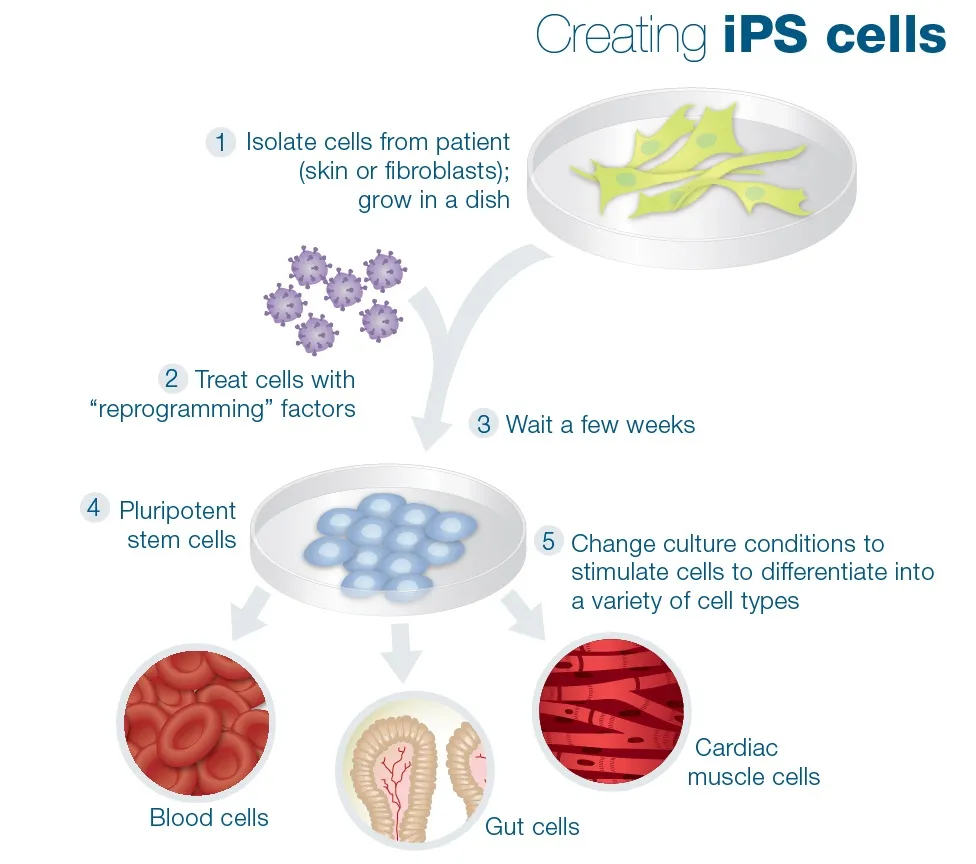
In July 2021, the patient underwent an innovative cell transplant as part of the study. This groundbreaking procedure aimed to regenerate or restore the function of his pancreatic islet cells. The results were remarkably swift and sustained:
- Within just 11 weeks of the cell transplant, the patient no longer required external insulin injections.
- His oral medication dosage was gradually tapered down over the following year, eventually stopping completely.
- Follow-up examinations confirmed that his pancreatic islet cell function had been effectively restored, and his renal function remained within normal limits.
Yin Hao, a lead researcher from Shanghai's Changzheng Hospital, affirmed the success, stating, "The follow-up examinations showed that the function of the patient's pancreatic islets was effectively restored." This restoration of natural insulin production is the key differentiator from traditional remission, offering a true cura para la diabetes potential. Learn more about how this advanced therapy works to restore critical pancreatic functions in our detailed article: Cell Therapy Breakthrough: Restoring Pancreatic Function to End Diabetes.
From Remission to Potential Cure: What This Means for Cura Para La Diabetes
For many years, the closest patients could get to freedom from diabetes was "remission." Diabetes remission typically means that blood sugar levels return to normal without medication, but this state is often precarious, requiring strict adherence to diet and exercise to prevent relapse. Crucially, in remission, the underlying cause of the insulin deficiency or resistance is usually not fully resolved, meaning the body's capacity for insulin production might still be compromised. The patient is often still vulnerable to blood sugar fluctuations if lifestyle discipline wavers.
The Chinese study, however, points to something far more profound than mere remission. By effectively restoring pancreatic islet cell function, the therapy addresses the root cause of insulin deficiency. This isn't just about managing symptoms; it's about repairing the body's internal mechanisms to produce insulin naturally once again. This distinction is vital in the global quest for a definitive cura para la diabetes.
While this is a single patient study, its implications are immense. It opens doors for similar treatments for other patients, offering hope that a genuine, lasting solution might be within reach, not just for Type 2 but potentially for Type 1 diabetes as well. The possibility of regenerating insulin-producing cells moves beyond merely controlling the disease to truly reversing it. For a deeper dive into the ongoing pursuit of a lasting solution, read: Is a Cure for Diabetes Possible? Exploring the Latest Cell Therapy.
Navigating the Future: Implications and Cautious Optimism
This groundbreaking research ushers in a new era of possibilities for diabetes treatment. The focus now shifts from lifelong management to the potential for a genuine reversal of the disease's progression. However, it's important to approach this news with cautious optimism:
- Further Research is Crucial: While incredibly promising, this is currently a single case study. Extensive clinical trials involving a larger and more diverse patient population are essential to validate these findings and ensure the therapy's safety and efficacy across different demographics.
- Accessibility and Cost: As with many cutting-edge medical innovations, the potential accessibility and cost of such a complex cell therapy will be significant considerations once it moves closer to widespread adoption.
- Potential for Type 1 Diabetes: While this study focused on Type 2 diabetes, the success in restoring islet function offers a beacon of hope for Type 1 diabetes patients, whose bodies completely cease insulin production. Future research may explore adapting this therapy for autoimmune destruction of beta cells.
- Continued Lifestyle Importance: Even as we celebrate the potential for a cura para la diabetes, maintaining a healthy lifestyle—balanced diet, regular exercise, and weight management—remains crucial for overall health and will likely complement any future advanced therapies. These habits can significantly improve outcomes and reduce the risk of complications, regardless of new treatments.
This breakthrough is part of a broader "paradigm shift" in diabetes treatment, moving beyond mere glucose control to prevent severe long-term events like heart attacks, strokes, and kidney failure. While cell therapy offers an exciting new frontier, ongoing research also explores other advanced treatments and medications designed to protect cardiovascular and renal health more effectively.
The journey to eradicate diabetes has been long and arduous, marked by incremental advances in management rather than definitive cures. This latest breakthrough, however, offers a tangible, unprecedented hope for a true cura para la diabetes. The 33 months of insulin-free living for this patient are not just a personal victory but a beacon for millions struggling with the disease worldwide. As scientists continue to explore and refine this cell therapy, we stand on the precipice of a medical revolution that could fundamentally change the lives of people with diabetes, moving from a future of managing illness to one of complete, lasting health.